250 km
Upriver from Iquitos, on the Yarapa
 Amazon Wildlife Expeditions
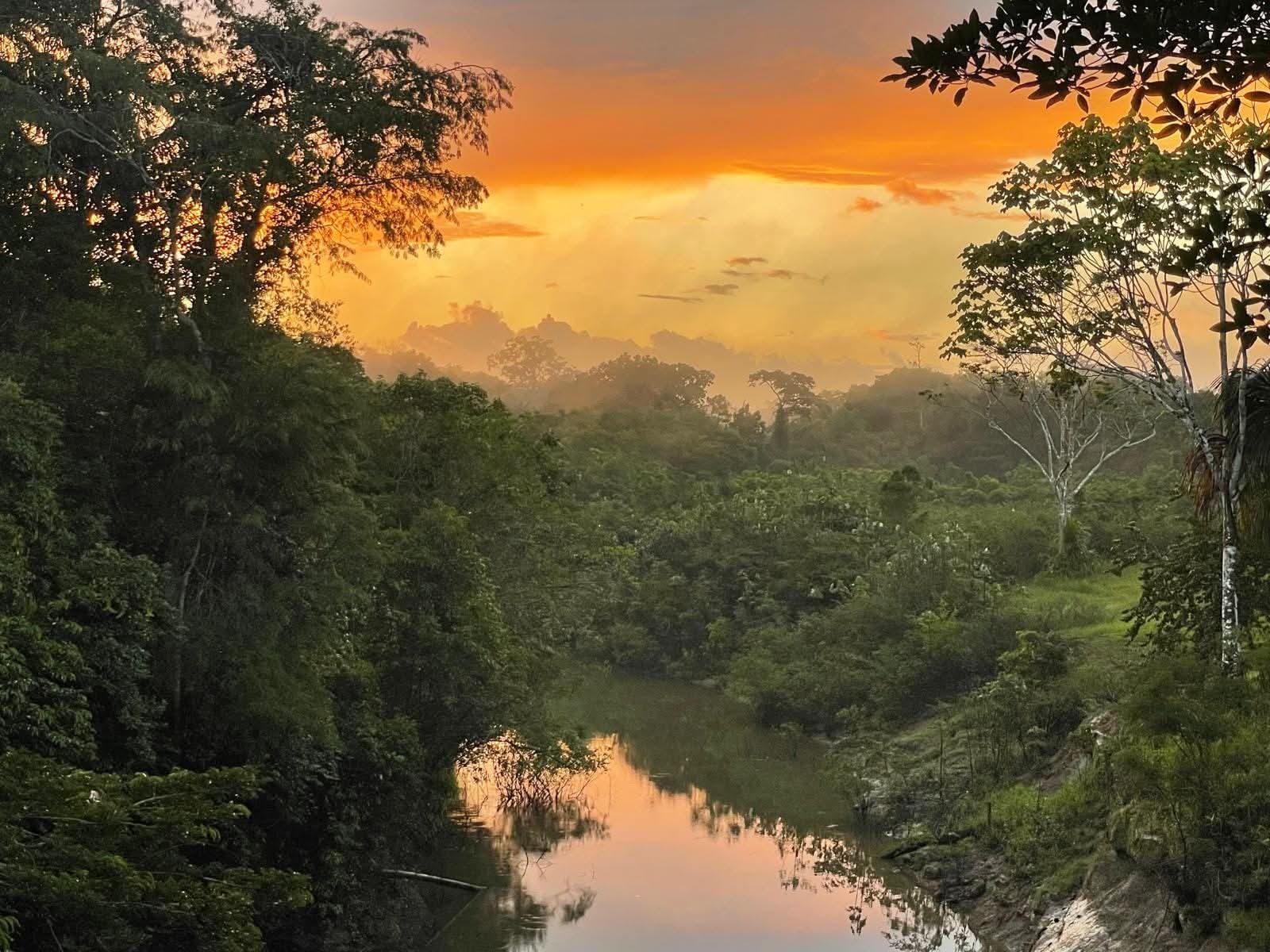
Small-group expeditions inside Pacaya-Samiria, Peru's largest protected reserve — six guests at a time, with a guide who has worked this river for forty years.
Pick a length, tell us roughly when, and you'll get the full price list and an honest answer about what's possible.
No deposit, no payment online. You'll be talking to Ruber, who runs the trips, within a few hours.
What makes this different
They leave Iquitos and stop two or three hours later, on the Nanay or the Momón, at lodges close enough to the city that the wildlife has learned to expect people.
We go to Nauta by road, then five hours upriver by boat into the Pacaya-Samiria National Reserve — two million hectares of flooded forest, and the largest protected area in Peru. There is no road. There is no phone signal until you're back. What there is, is a family camp on the Yarapa where Ruber and his relatives have been hosting travellers for four decades.
The trade is simple. You spend most of a day getting there, and in exchange you see an Amazon that most visitors to Peru never reach.
The trips
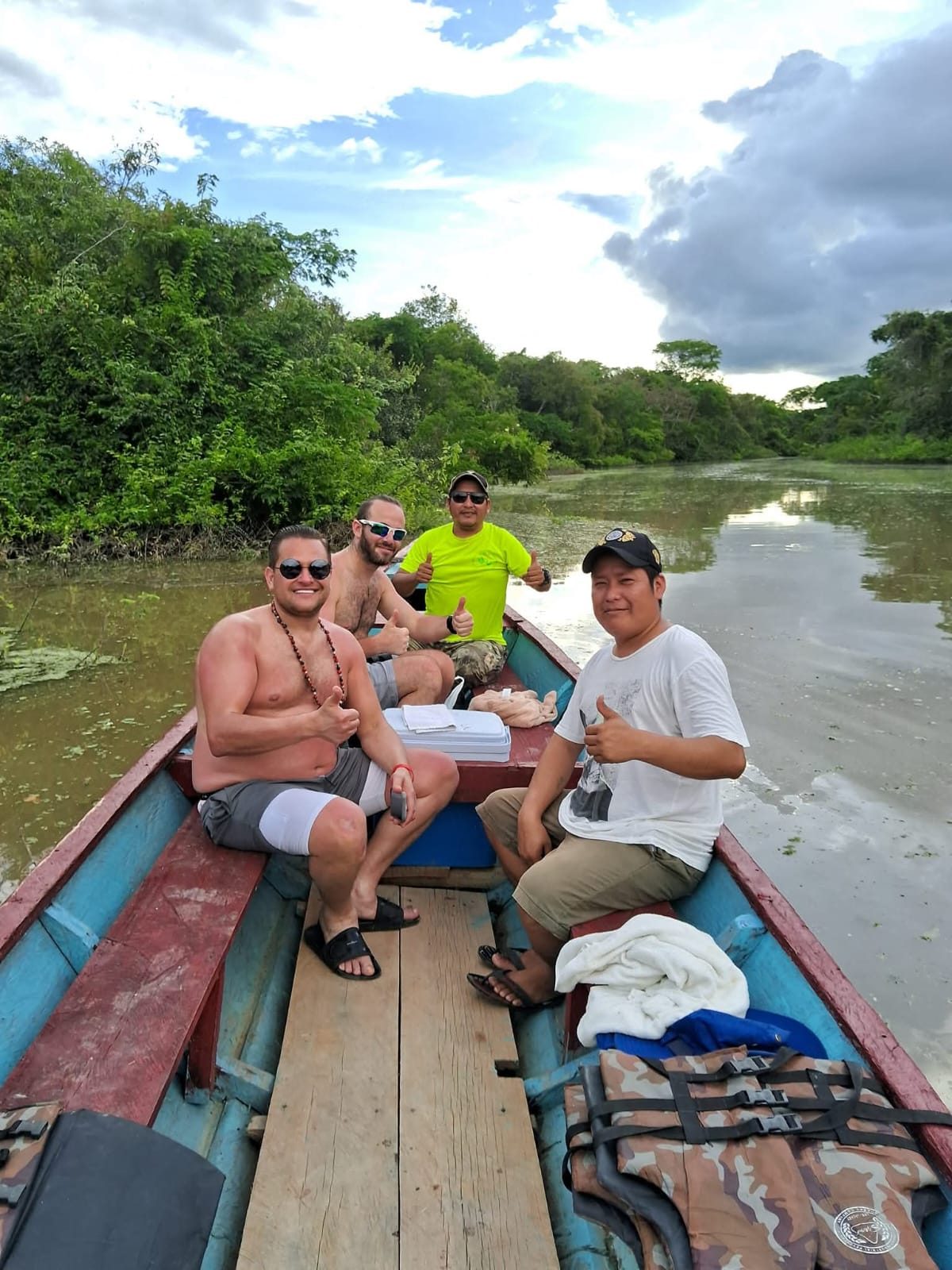
Every trip is built around your dates and what you actually want — wildlife, fishing, deep forest, or a slower few days on the water. These are the shapes most people choose.
Price depends on how many days and how many of you — a solo traveller and a group of six don't cost the same to run, so we don't pretend they do. Message us with your dates and group size and you'll get the full list, all in: transport from Iquitos, the boat, the guide, the camp, and three meals a day.
Longer stays, deeper routes into the forest and traditional plant ceremonies with a local maestro can all be arranged directly with Ruber — just ask when you write.
Get the price listA day here
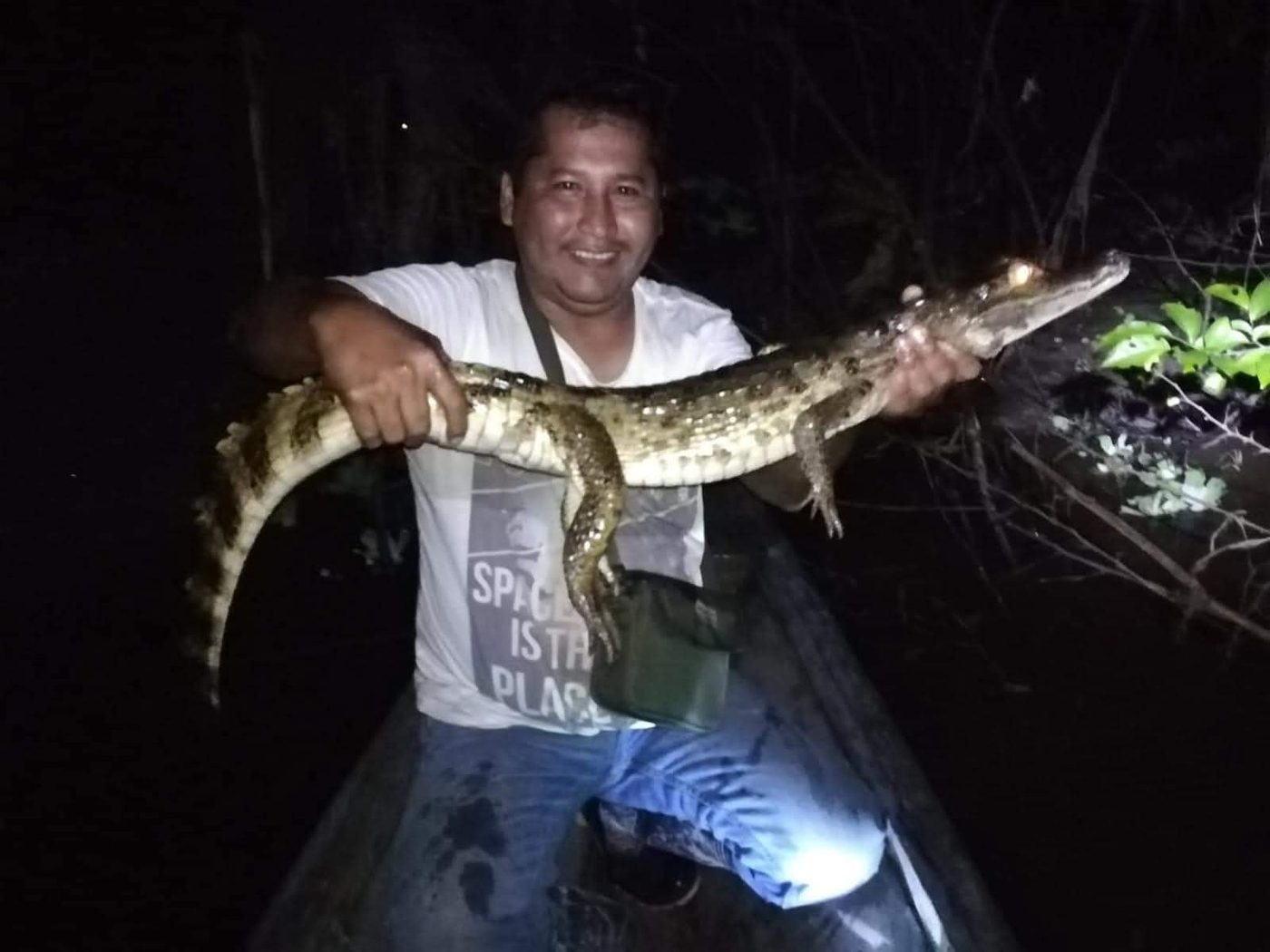
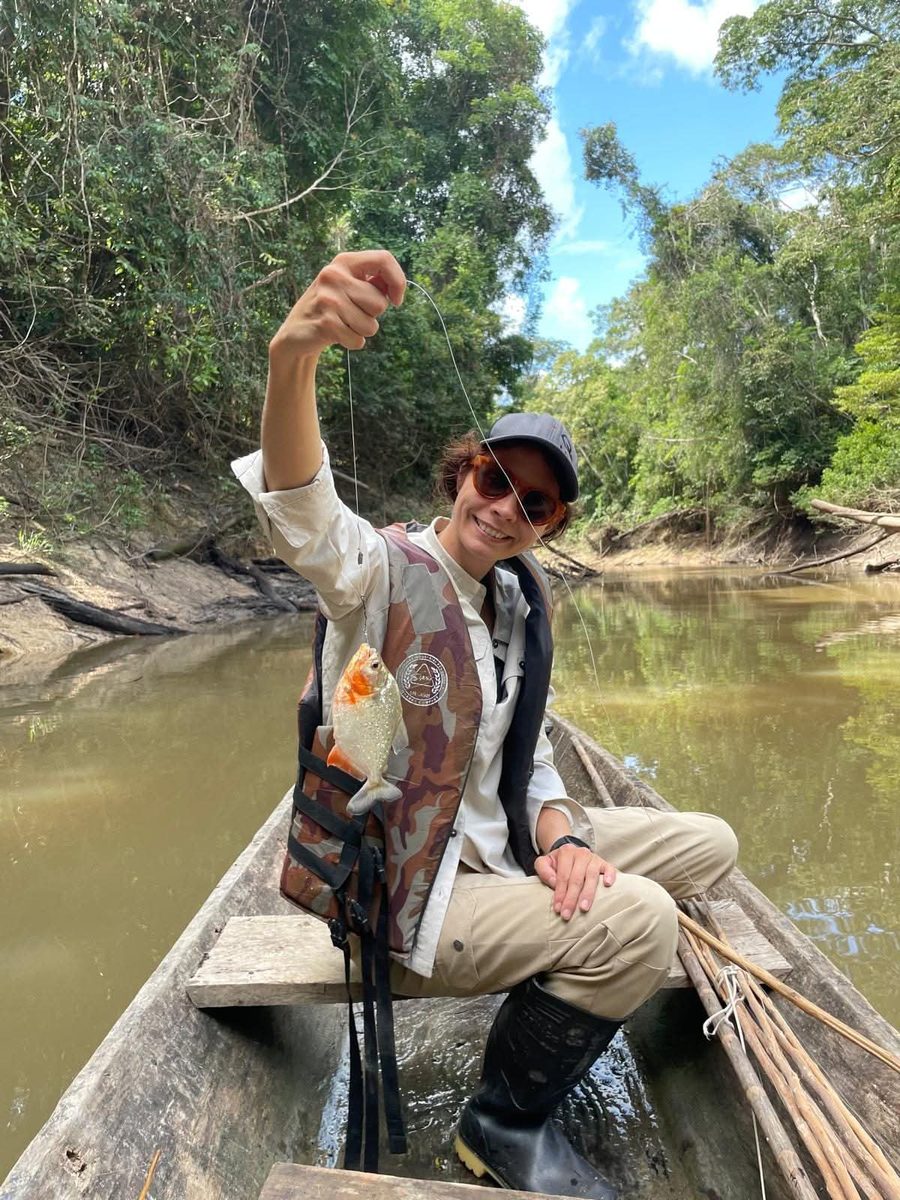
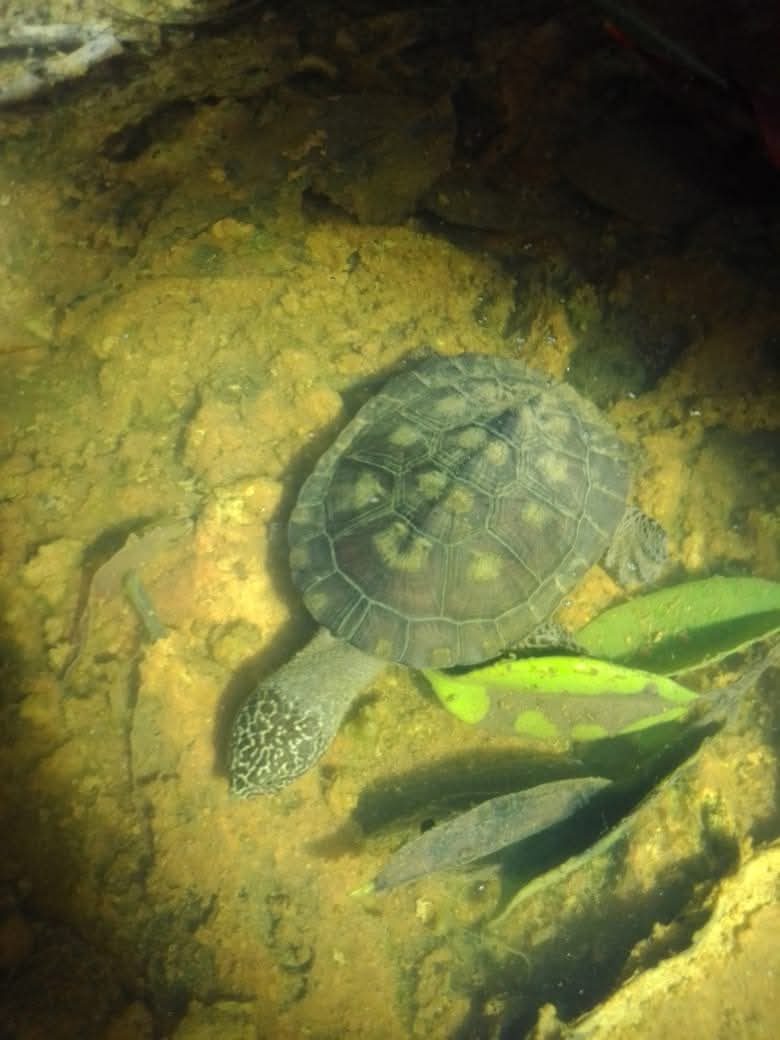
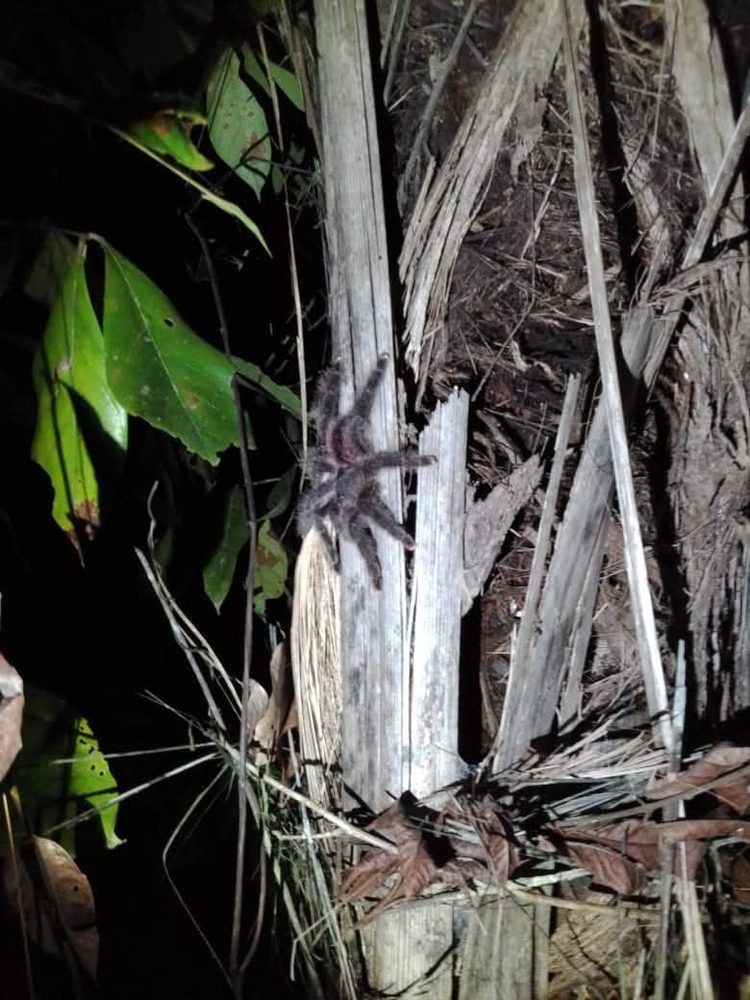
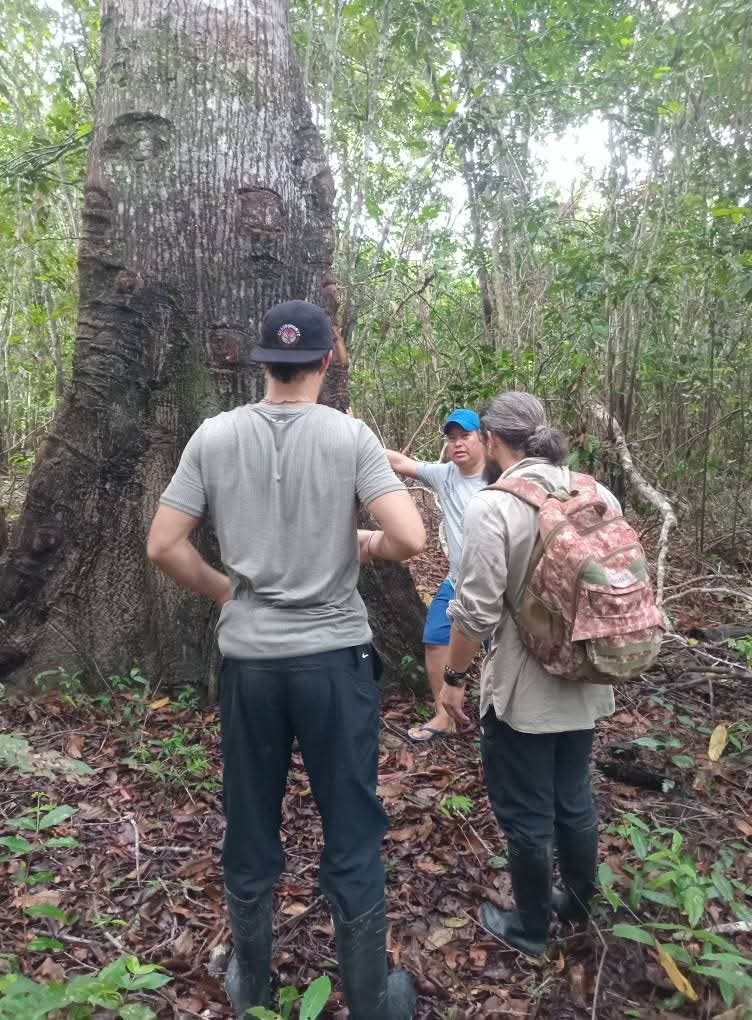
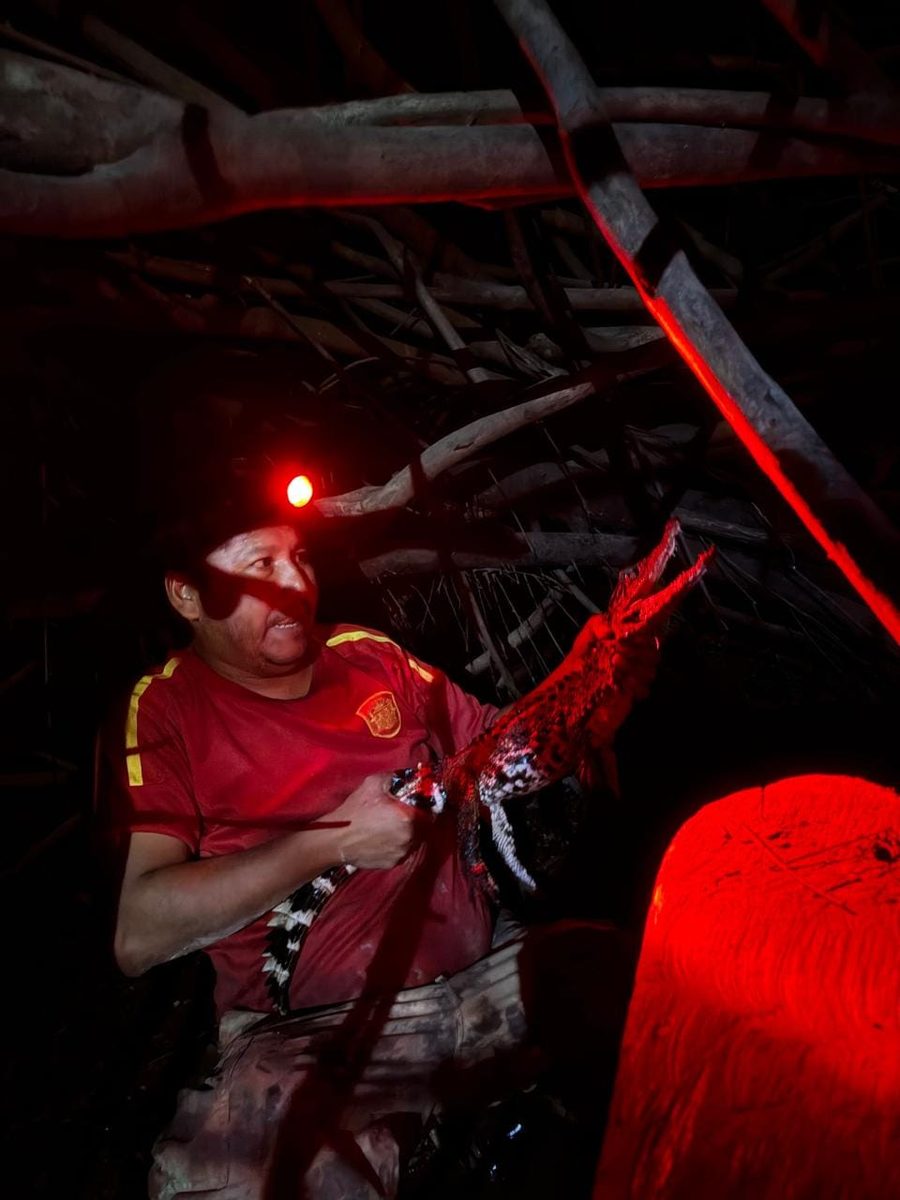
Animals move at dawn and after dark, so that's when you're out. The middle of the day is hot and quiet, and so are you.

The camp
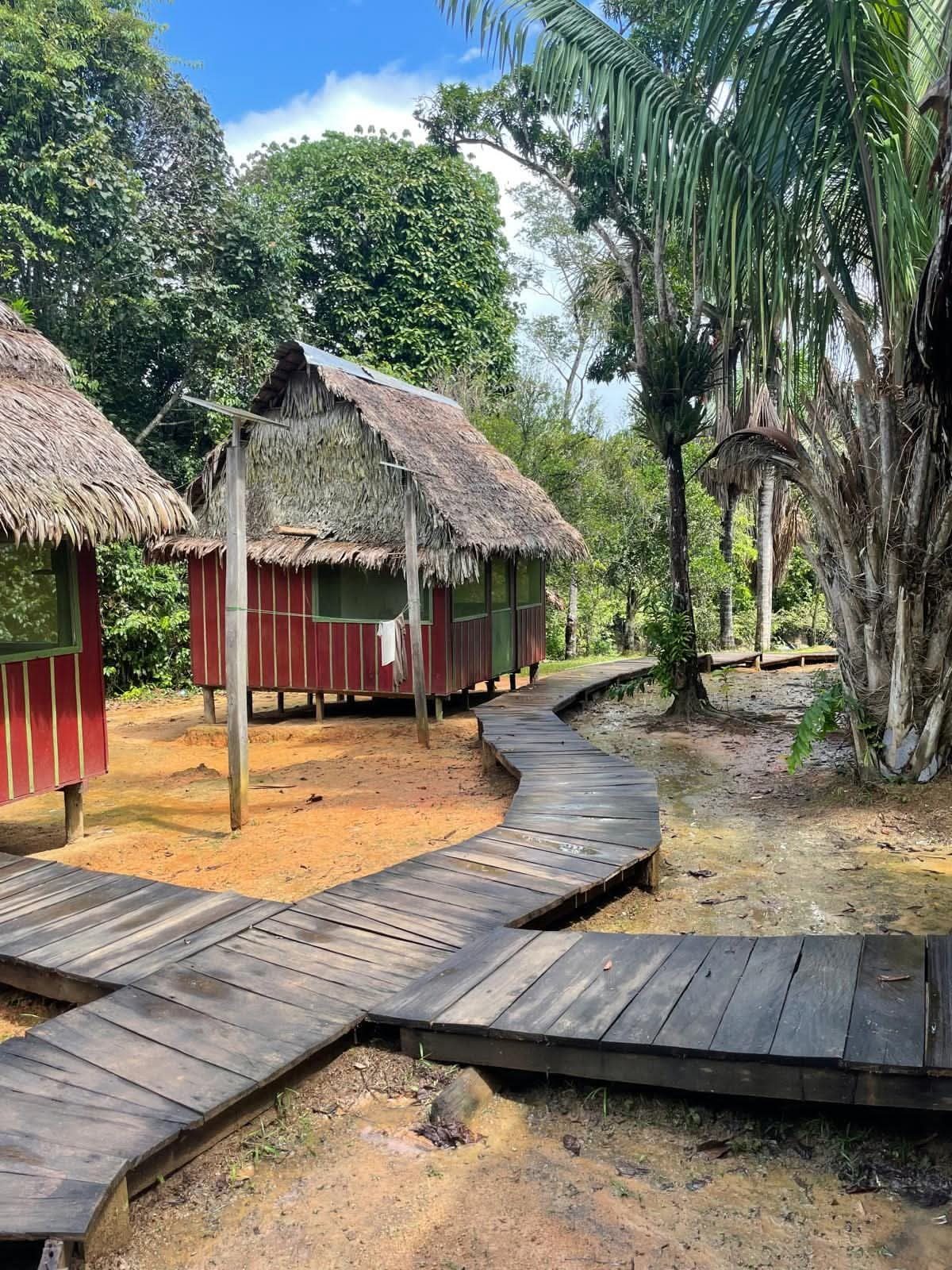
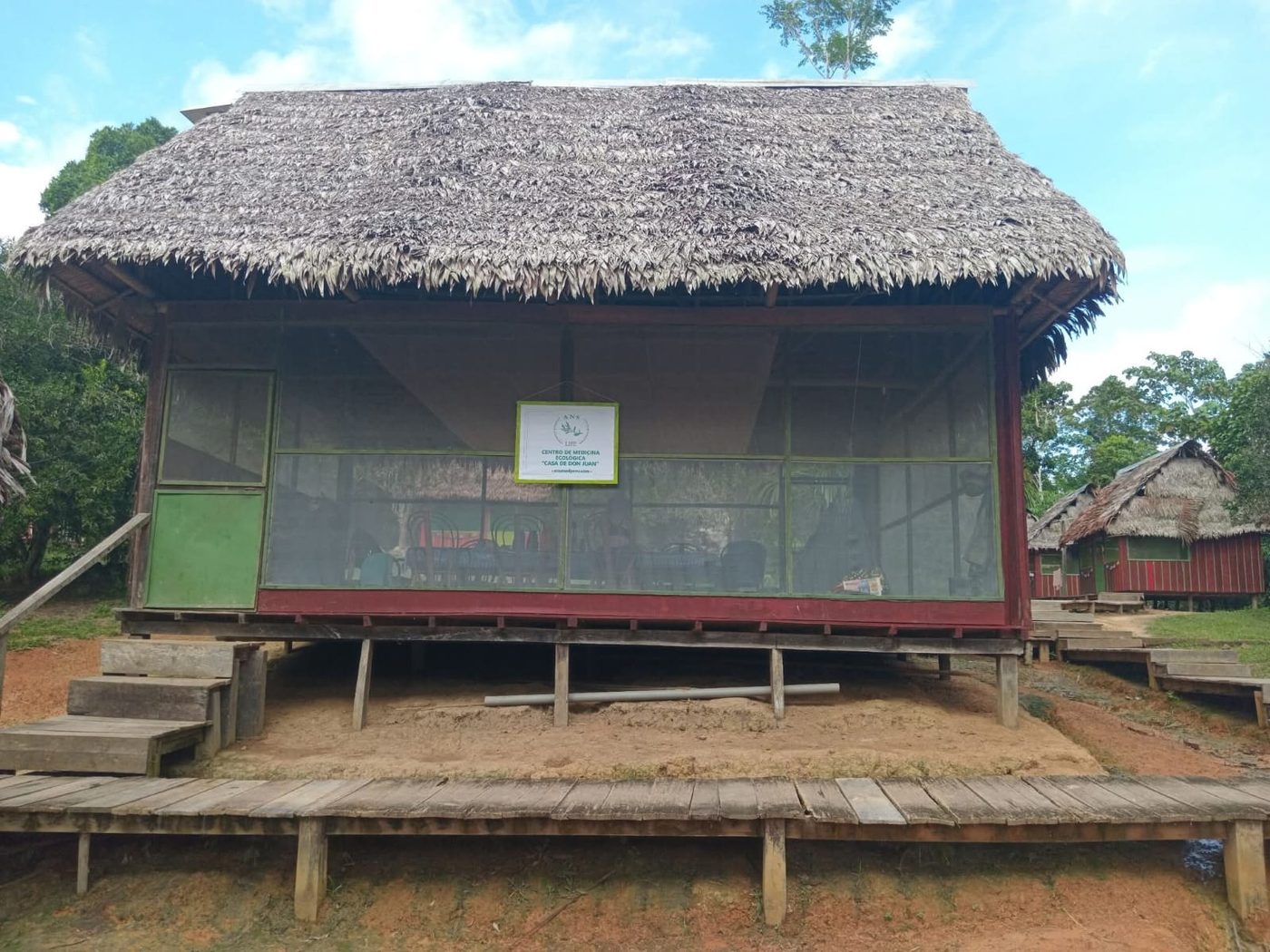
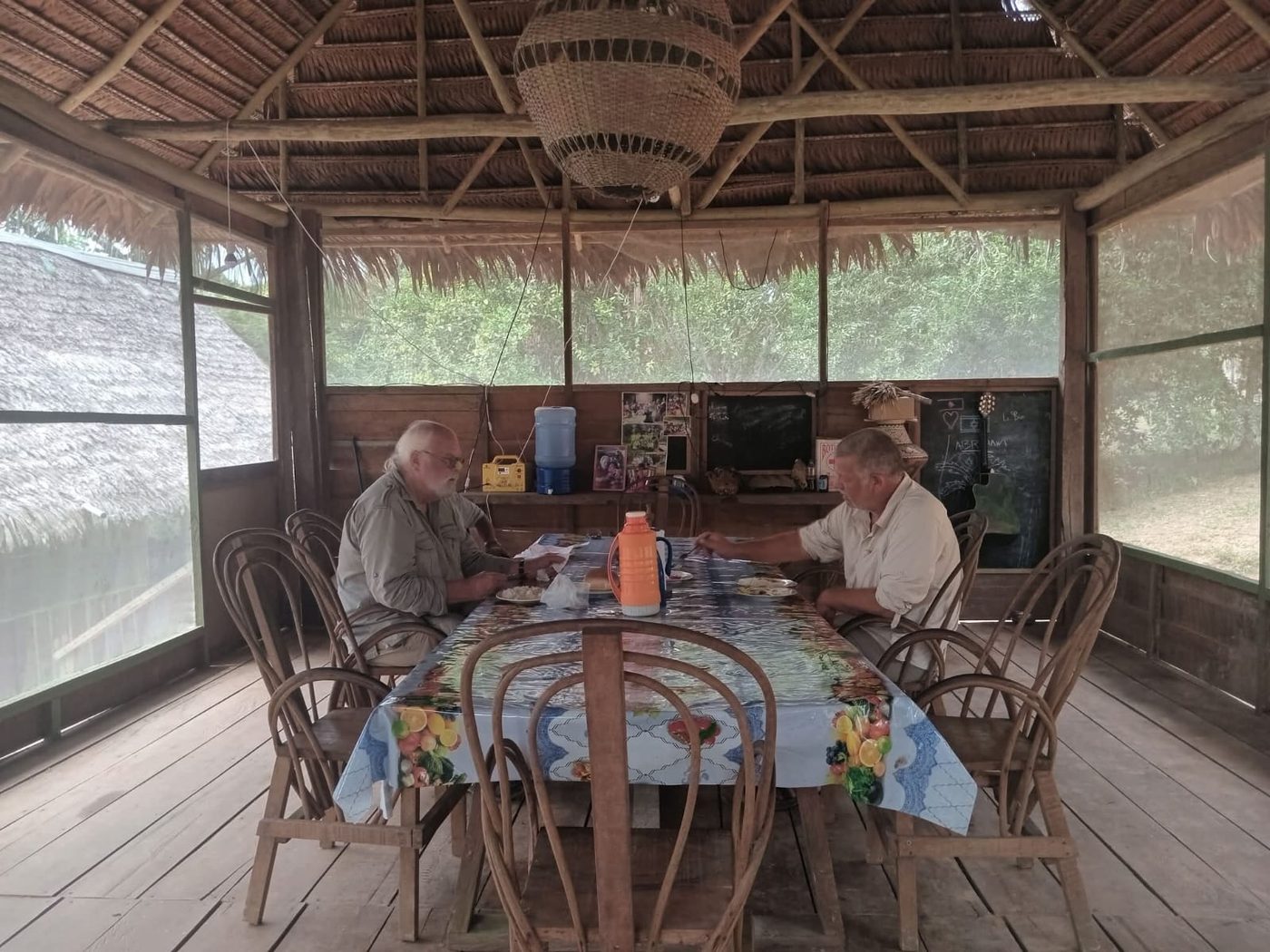
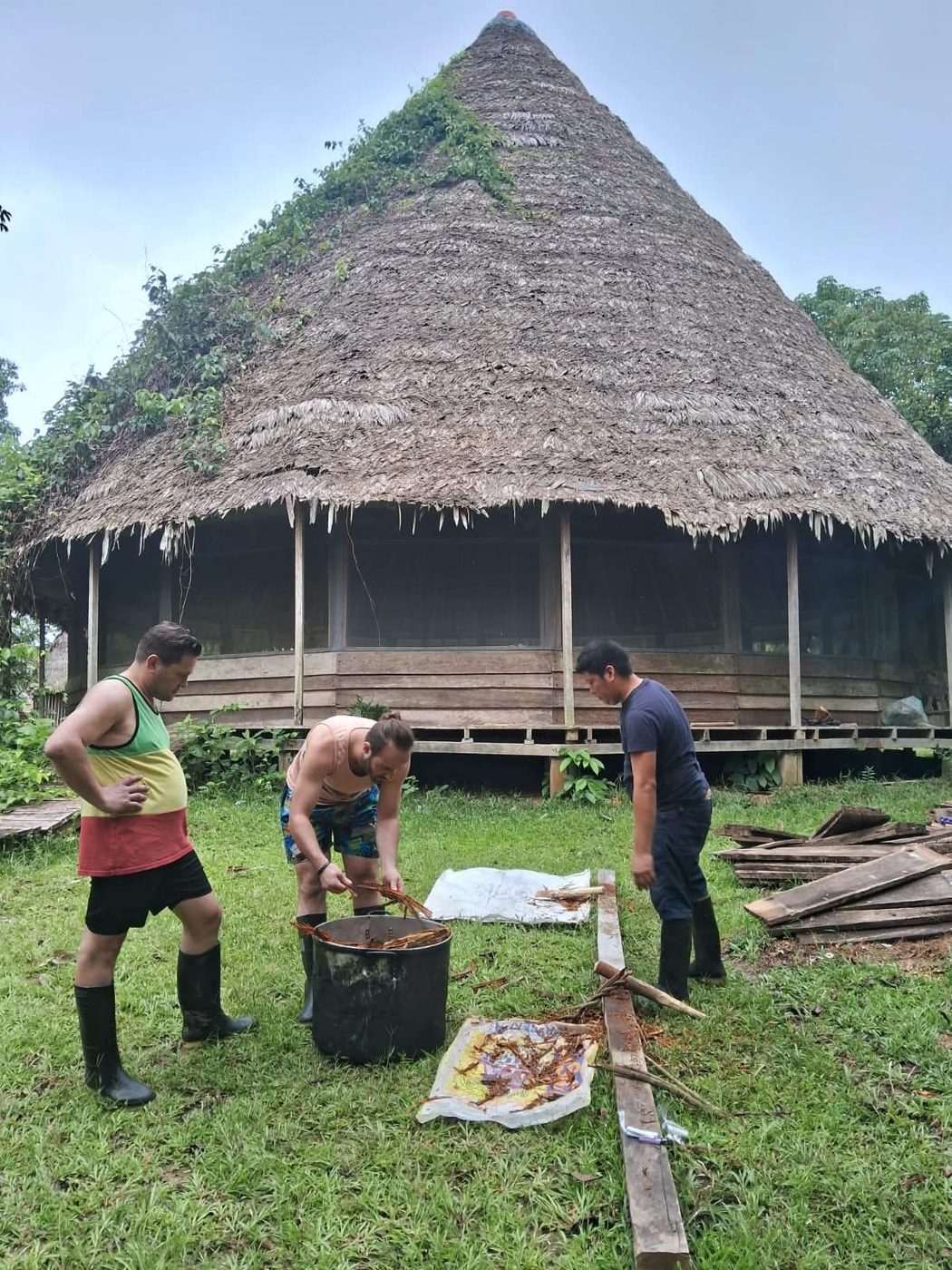
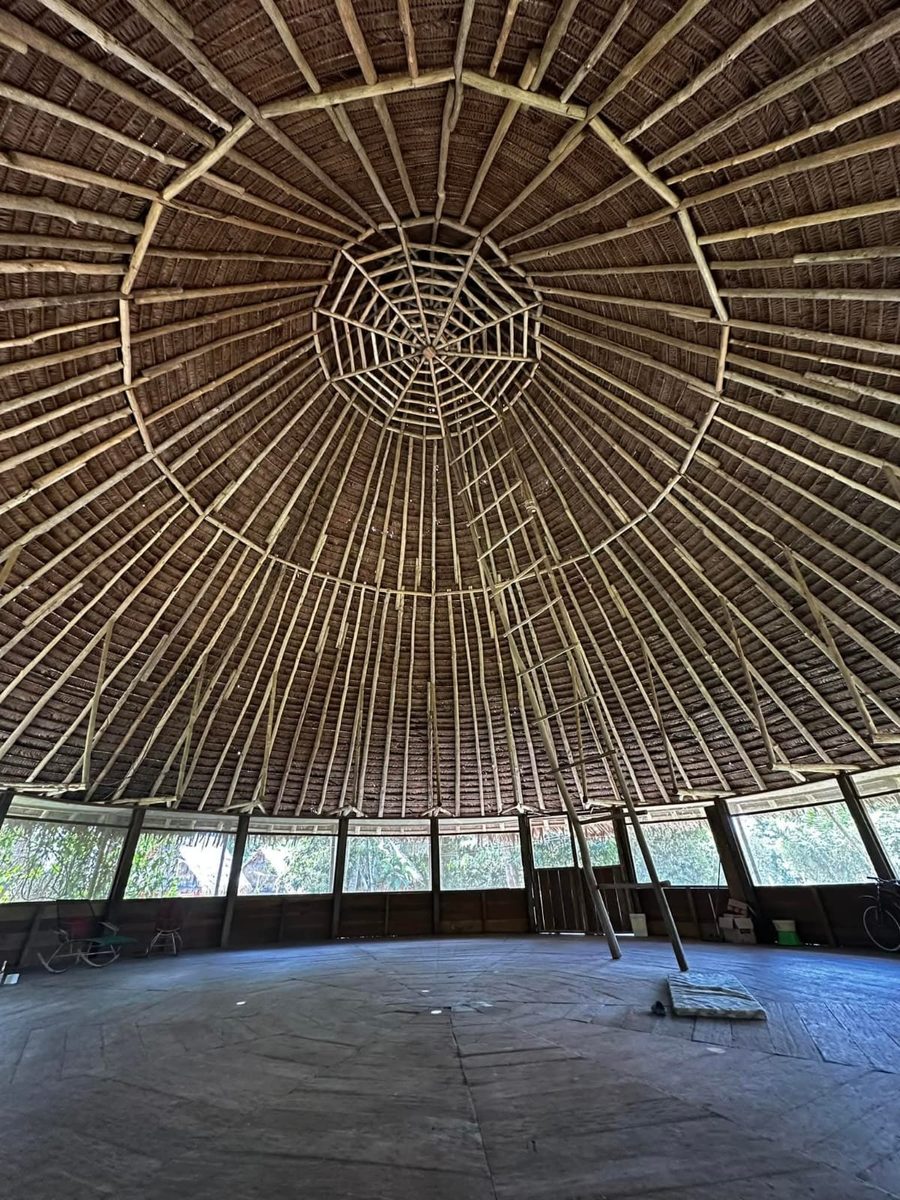
This is a family camp, not a hotel, and the people who book it don't want a hotel. Here's exactly what you get, so nothing is a surprise when you arrive.
Getting there
You fly into Iquitos — the largest city in the world you can't drive to. Flights come from Lima several times a day and take about two hours.
We meet you at the airport. From there it's roughly two hours by road to Nauta, where the road ends and the river begins, then around five hours upriver by boat to the camp. You'll see more wildlife on that boat ride than on most full-day tours.
Coming back is the same in reverse, and we get you to Iquitos in time for an evening flight.
Bring cash in US dollars or soles — there is no card machine anywhere past Nauta.
Your guide
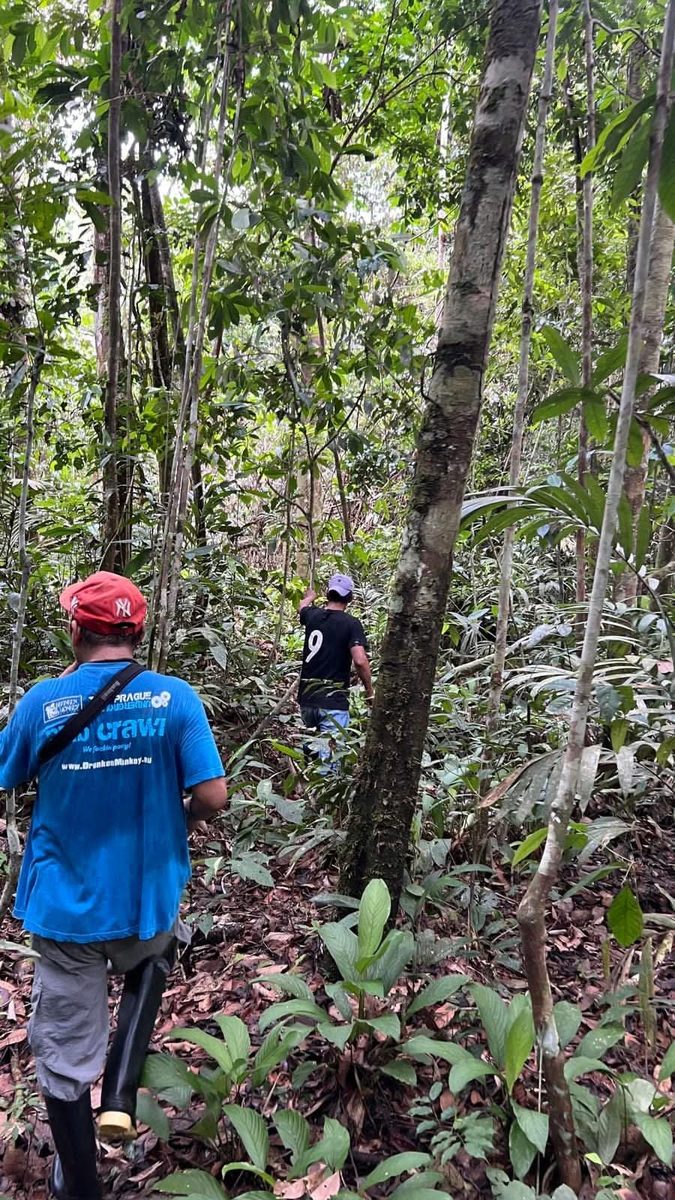
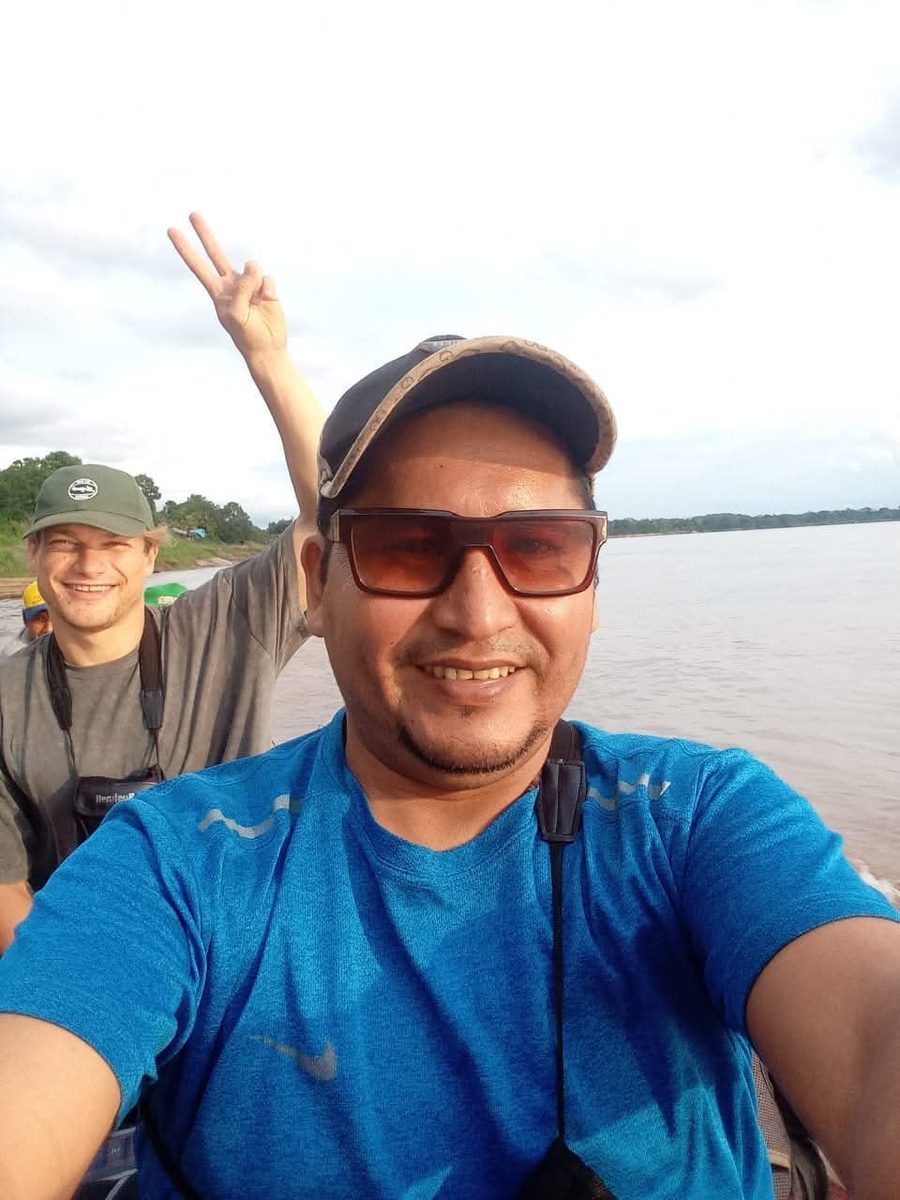
Every good review this operation has ever had is about one person. Ruber was trained by the Matsés in the ways of the forest and its medicines, and he and his extended family have been hosting travellers from around the world for over forty years.
He is the reason people come back, and the reason they send their friends. He'll be the one meeting you at the airport, driving the boat, spotting the animal you walked straight past, and cooking the fish you caught.
He speaks Spanish and workable English, and he answers his own messages.
The village
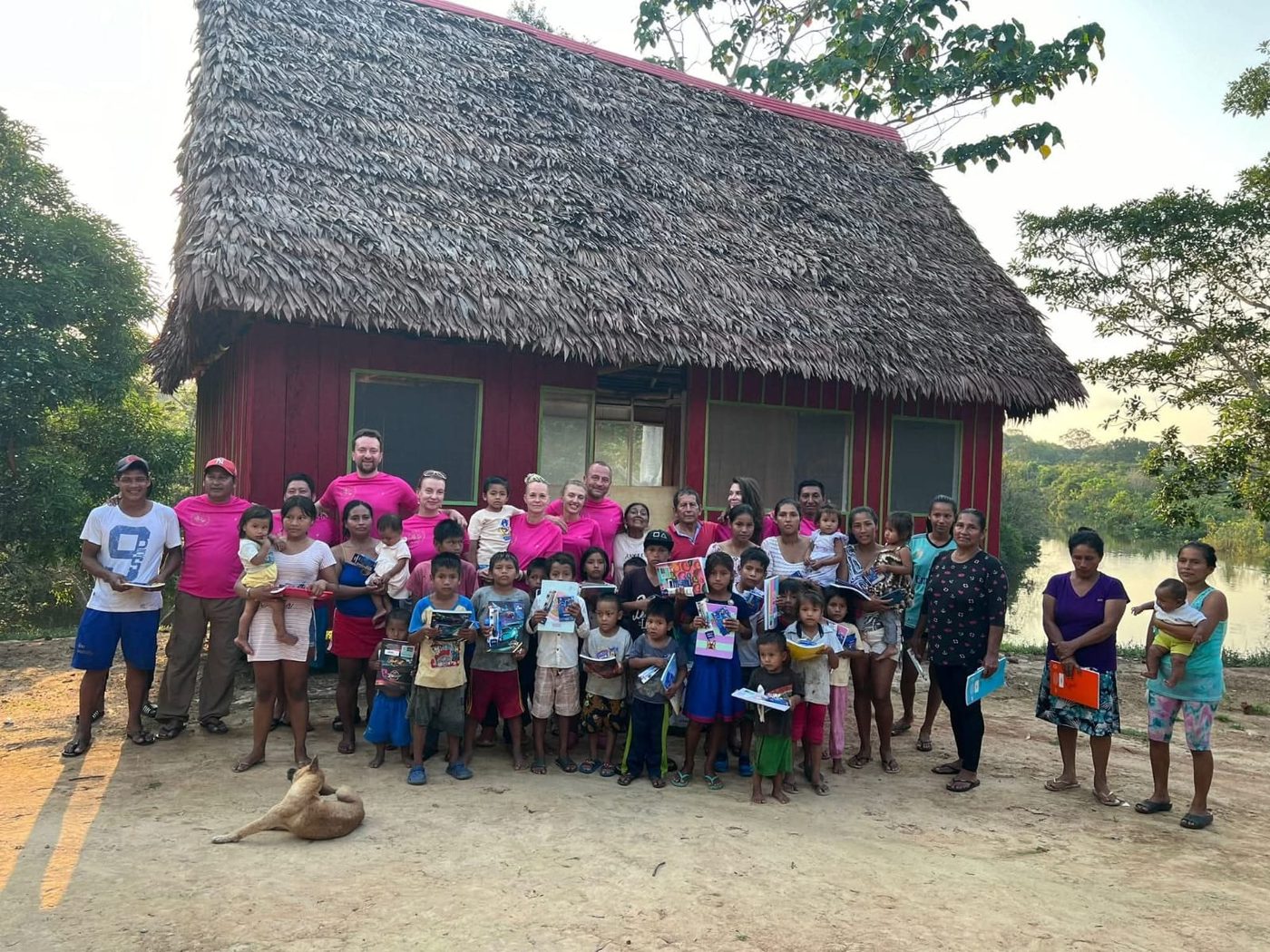
The camp doesn't exist in isolation. The food comes from families along the river, the boats are crewed by neighbours, and part of what guests pay goes back into the community — most visibly to the children in the villages nearby.
You'll meet some of them. It's not a staged cultural visit; it's just who lives here.
Before you ask
Real, but manageable, and much worse at dawn and dusk than in the middle of the day. Long sleeves, long trousers and repellent handle it. Every bed has a net. The wet season has more of them than the dry.
Yellow fever vaccination is commonly recommended for the Peruvian Amazon, and some travellers take malaria prophylaxis. We're not doctors — talk to a travel clinic at home at least a month before you fly, and tell them you're going to the Loreto region.
Ruber has run this river for forty years and has never lost a guest. That said, you're a long way from a hospital, and you should be honest with yourself about that. There's satellite internet at the camp for emergencies, and the boat can move fast when it needs to. Travel insurance that covers remote areas is a genuinely good idea.
Plenty of people do, and solo travellers usually end up having the best time — with six guests maximum, nobody stays a stranger. Solo pricing is different, so mention it when you write.
Long sleeves and trousers in light fabric, closed shoes you don't mind ruining, a rain jacket, repellent, sun cream, a torch, a power bank, and any medication you take. Rubber boots are provided. Bring cash — there's nowhere to use a card past Nauta.
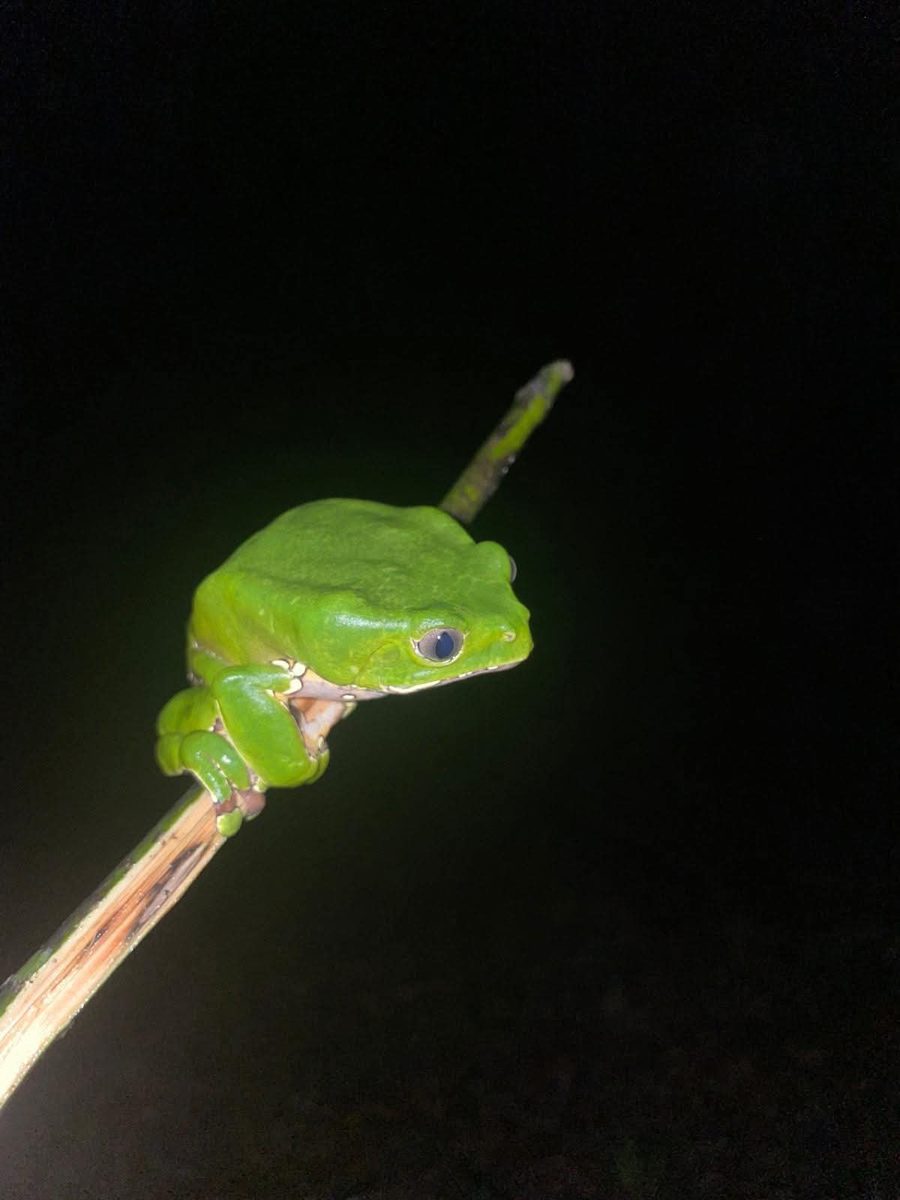
Nobody honest promises wildlife. Pink and grey dolphins are common on the dolphin excursion; caiman on the night boat are close to certain; monkeys and birds at dawn are very likely. Sloths, anacondas and the big cats are luck. Longer trips see more, simply because there's more time.
Both seasons work and they're different trips. High water, roughly December to May, means you travel by boat into the flooded forest and get closer to the canopy. Low water, June to November, means more beaches, better fishing, and easier walking. Ruber will tell you honestly what a given month looks like.
Ruber's own company in Iquitos, which is registered and pays taxes in Peru. Amazon Wildlife Expeditions is the marketing partner — we introduce you, and everything on the ground is arranged and operated directly by him.
Get in touch
Say roughly when you're thinking, how many of you, and how many days you have. You'll get the full price list and an honest answer about what's possible — usually within a few hours.
Not sure yet? Ask for a short video call with Ruber, from the camp.